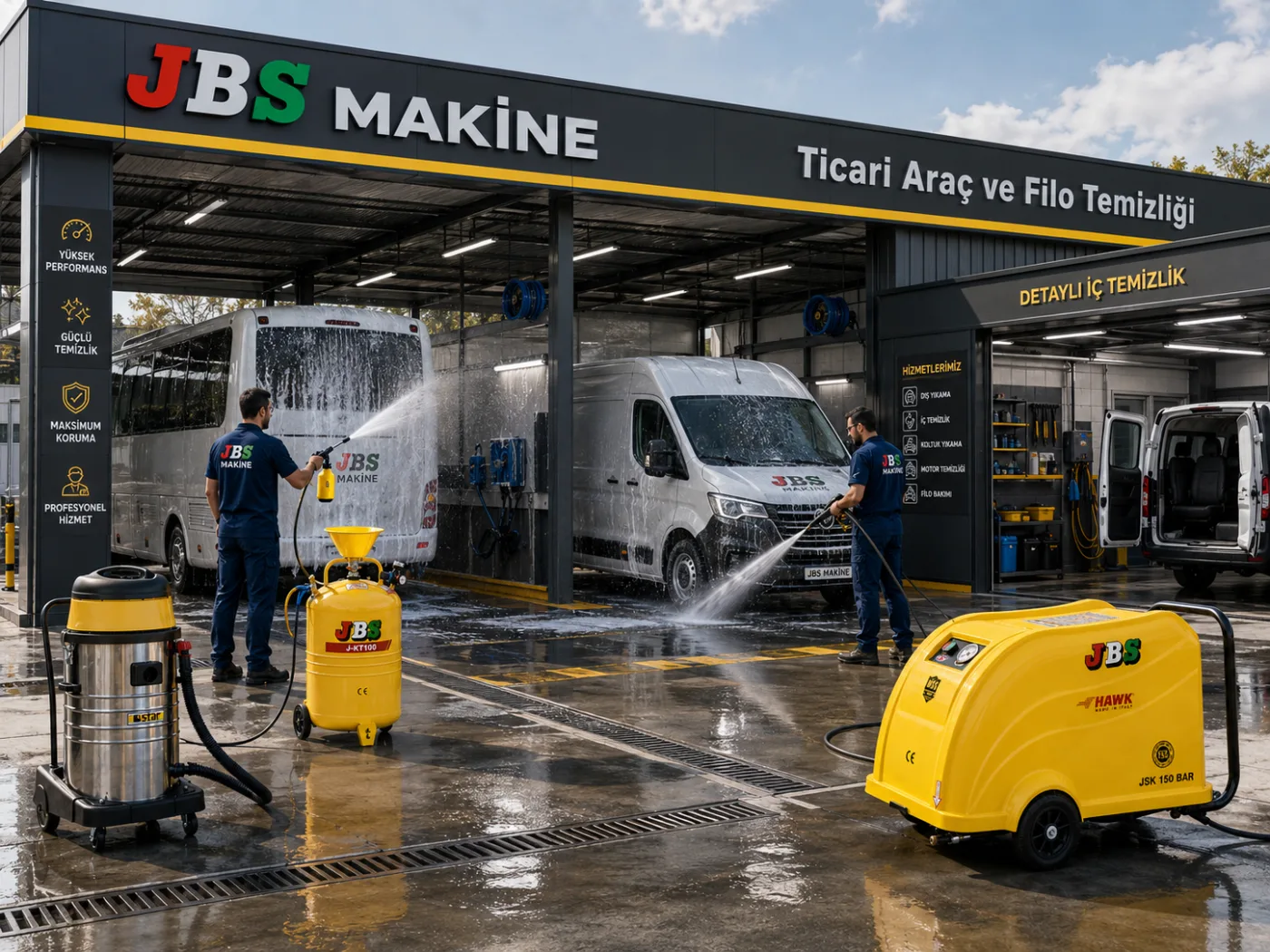
Choose a pressure washer by comparing working pressure, water flow rate, motor and pump quality, hot-water requirements, daily workload and service support.
This guide explains the main technical and operational points behind pressure washer recommendation guide. The aim is to help professional users compare equipment on real performance rather than a single specification or purchase price.
What to Consider When Buying a Pressure Washer
Make the decision from a written requirement list: application, daily workload, working pressure, flow rate, power supply, water temperature, accessories, available space and service expectations. This prevents choosing equipment that looks suitable on paper but does not fit the operation.
Pressure Rating
Pressure is important, but it should never be evaluated alone. The correct level depends on the surface, dirt type, nozzle, working distance, water flow and operator technique. Excessive pressure can damage paint, seals or sensitive components.
Water Flow Rate
Water flow rate shows how much water the machine delivers in a given time. Pressure breaks the bond between dirt and the surface, while adequate flow carries loosened contamination away. High pressure with insufficient flow can feel slow and inefficient.
Motor and Pump Quality
The pump is the core component that creates working pressure. Valve, piston, seal or oil problems can cause low pressure, pulsation, leakage and unusual noise. Pump quality, maintenance access and spare-parts availability are therefore critical buying criteria.
Hot Water or Cold Water?
Hot-water machines are effective on grease, oil and heavy industrial dirt because heat accelerates the cleaning process. They usually cost more to purchase and operate, so the benefit should match the actual contamination encountered.
Cold-Water Pressure Washers
Pressure is important, but it should never be evaluated alone. The correct level depends on the surface, dirt type, nozzle, working distance, water flow and operator technique. Excessive pressure can damage paint, seals or sensitive components.
Hot-Water Pressure Washers
Pressure is important, but it should never be evaluated alone. The correct level depends on the surface, dirt type, nozzle, working distance, water flow and operator technique. Excessive pressure can damage paint, seals or sensitive components.
How Many Bar Are Needed for Car Washing?
Pressure is important, but it should never be evaluated alone. The correct level depends on the surface, dirt type, nozzle, working distance, water flow and operator technique. Excessive pressure can damage paint, seals or sensitive components.
Who Needs a Professional Pressure Washer?
Pressure is important, but it should never be evaluated alone. The correct level depends on the surface, dirt type, nozzle, working distance, water flow and operator technique. Excessive pressure can damage paint, seals or sensitive components.
Our Pressure Washer Recommendation
Pressure is important, but it should never be evaluated alone. The correct level depends on the surface, dirt type, nozzle, working distance, water flow and operator technique. Excessive pressure can damage paint, seals or sensitive components.
Conclusion
The correct decision for pressure washer recommendation guide should be based on the real application, expected workload, technical specifications and after-sales support. Comparing working pressure, water flow, pump quality, electrical requirements, accessories and service availability helps prevent costly mismatches.
Recommended Solutions
Related Products and Categories
Common Questions
Frequently Asked Questions
Which Pressure Washer Should Be Chosen for Professional Use?
For professional use, the right pressure washer should be selected according to pressure level, water flow rate, pump quality, motor power, working intensity, surface type, accessories and service support.
Why Pump Quality Matters in Car Wash Machines
Pump quality is important because it directly affects pressure stability, water flow, cleaning performance, machine durability, maintenance needs and long-term operating costs.